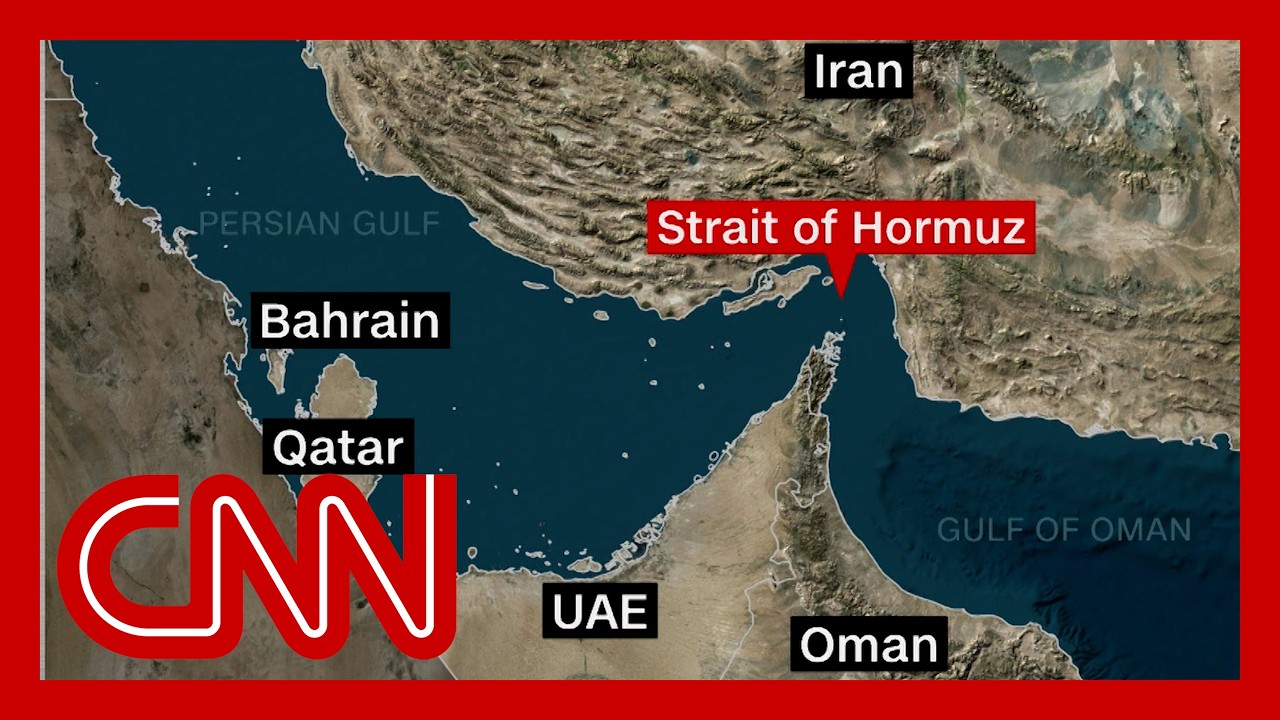
Rising Tensions in the Strait of Hormuz: A Fragile Ceasefire on the Brink
The situation in the Gulf remains precarious as U.S.-Iran tensions heighten, raising concerns over the viability of a fragile ceasefire. The latest escalation unfolded when U.S. military forces reportedly destroyed six Iranian small boats in the Strait of Hormuz. This aggressive response came in the wake of Iran launching an array of cruise missiles, drones, and small boats aimed at U.S. Navy vessels and commercial shipping.
The military exchange underscores a dangerous shift from diplomatic overtures to military conflict. Just hours before the strikes, President Trump had announced plans for U.S. forces to assist in guiding stranded maritime vessels through the choke point. This mission appears to have replaced an earlier climate of cautious optimism. Senior administration officials had expressed hope for negotiations only days prior, but the calculus has now shifted dramatically.
In an interview with Fox News, President Trump issued a stark warning, stating that should Iran target U.S. ships, they would be “blown off the face of the Earth.” His remarks signal a hardening stance following the Iranian military’s actions, including missile and drone strikes in the region, with the United Arab Emirates reporting injuries after an assault on one of its oil ports.
With these developments, U.S. Central Command, led by Admiral Bradley Cooper, clarified the military’s approach to safeguarding commercial vessels. He described a robust defensive posture involving guided missile destroyers and numerous land and sea-based aircraft. This deployment aims to deter Iranian attacks while regulating commercial shipping through the strategically vital Strait of Hormuz.
Yet, despite these efforts, it’s unclear whether the recent military actions signify the end of the ceasefire. Admiral Cooper refrained from declaring any definitive conclusion, emphasizing the U.S. strategy of defensive posturing rather than direct combat engagement with Iranian forces. The military’s stance favors a protective umbrella over active escort missions, which could make shipping vessels more vulnerable.
Iran’s ongoing aggressiveness complicates the situation further. In addition to retaliating against U.S. vessels, Iranian forces have reportedly targeted locations in the UAE and Oman, drawing these nations into the escalating tension. The recent drone and missile attacks appear to serve not only as a show of force but also as a means of fostering wider regional destabilization.
Analysts are questioning whether any meaningful dialogue will survive amidst the exchanges of fire. Conversations about easing hostilities have rapidly devolved into kinetic activity, casting doubt on both nations’ readiness to negotiate. Iranian officials have voiced skepticism regarding U.S. intentions, fearing that American naval presence under the guise of maritime security could be a cover for controlling the strait.
In Washington, officials are grappling with mixed signals regarding the state of negotiations with Iran. Just days before these hostilities, President Trump had proclaimed progress in discussions, only to revert to a more aggressive military posture shortly thereafter. The inherent contradictions in messaging reflect a landscape fraught with uncertainty.
As the U.S. attempts to implement what is being termed “Project Freedom,” aimed at facilitating the movement of commercial vessels, the risks involved in this initiative are glaring. While American representatives stress that they do not intend to escort ships, the very presence of military assets might incite further Iranian hostility. The potential for miscalculation looms large, making the prospect of conflict increasingly plausible.
In conclusion, the rapidly deteriorating situation in the Strait of Hormuz underscores the challenges of maintaining peace in an increasingly volatile geopolitical landscape. With both sides locked in a cycle of retaliation and suspicion, the path to negotiations appears obstructed. In the coming days, the actions of both the U.S. and Iran will be crucial in determining whether this moment marks the beginning of a broader conflict or a temporary setback in seeking diplomacy. The stakes have never been higher, and the region watches anxiously as tensions escalate.